"Wildlife is an echo of our own beginnings...1981"
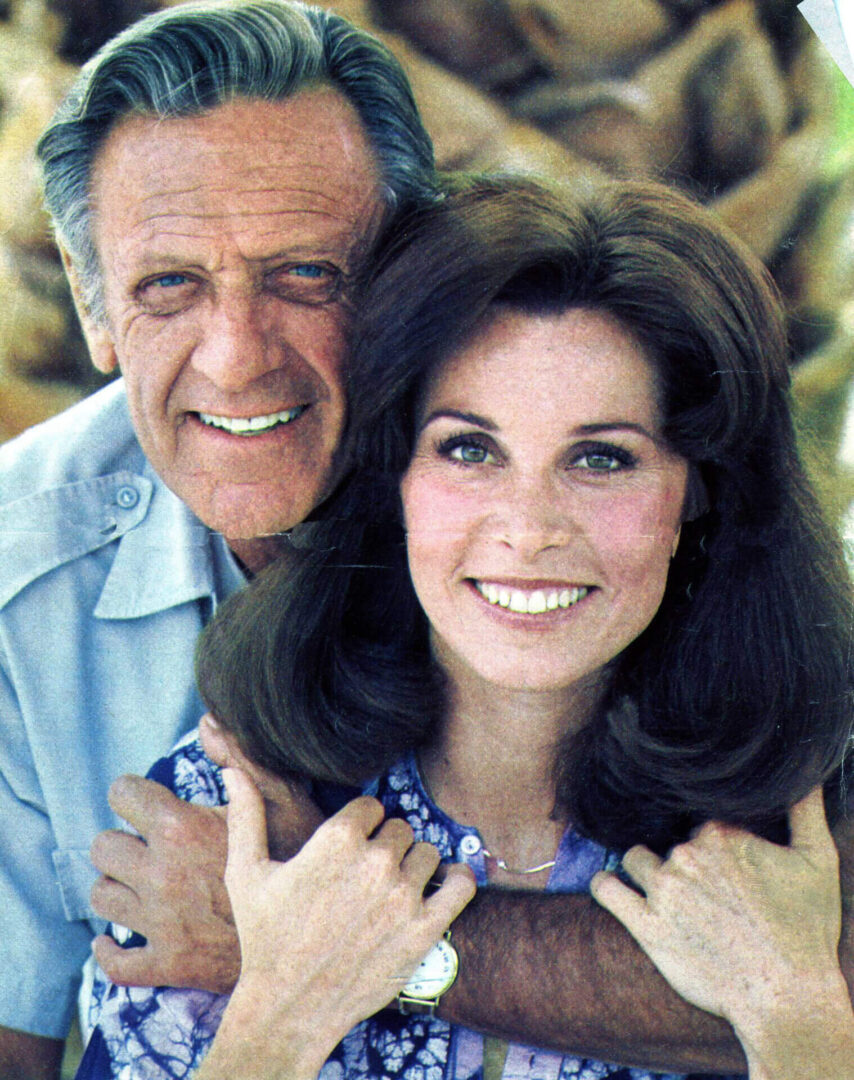
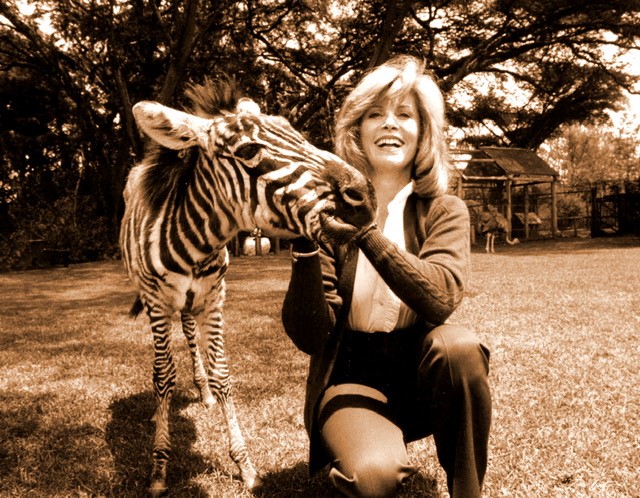
The WHWF was founded by actress Stefanie Powers in honor of her lifelong love William Holden, world renowned movie star who privately did ground breaking conservation work in Kenya long before conservation was a word in people's vocabulary. We offer courses in biodiversity, species conservation and alternatives to habitat destruction for humans and wildlife.
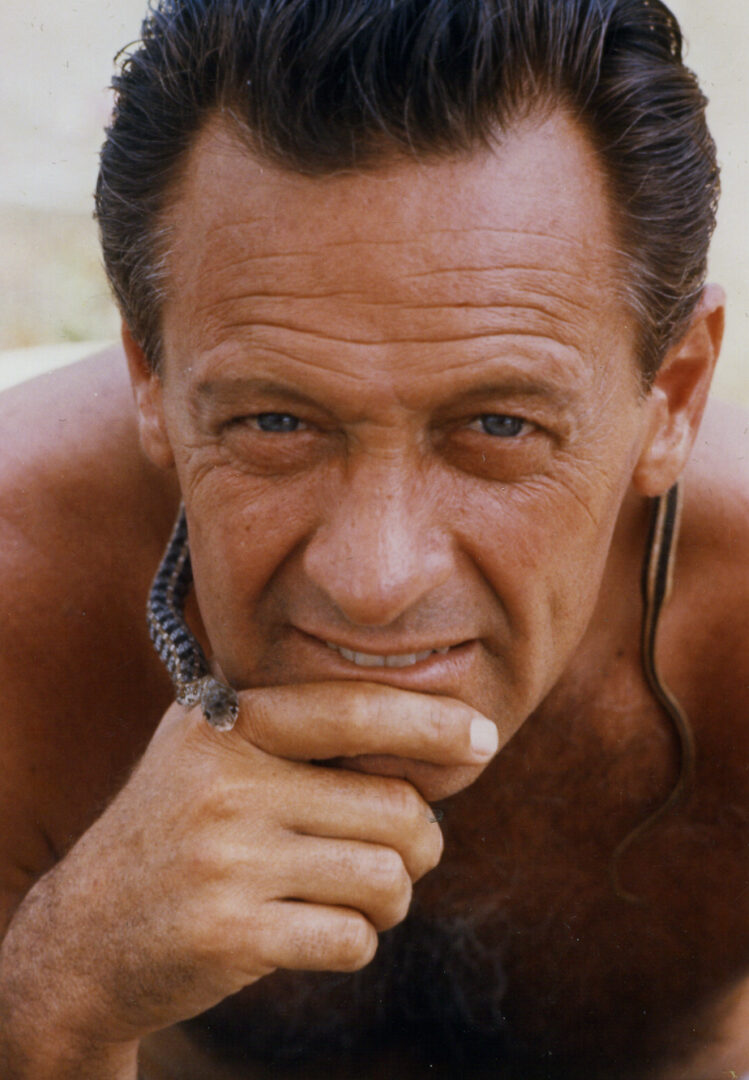
William Holden
William Holden's acting career spanned over 40 years during the Golden Age of Hollywood, starring in iconic films such as "Golden Boy", "Our Town", "Sunset Boulevard", "Sabrina", "Born Yesterday", "The Bridge On The River Kwai", "Love Is A Many-Splendored Thing", "The Country Girl", "Picnic", "The Wild Bunch", "Network", and "Stalag 17", which he won an Academy Award for Best Actor. During the mid-1950s he first traveled to Kenya and became struck by the wildlife and the country. He began species conservation work by creating the first game ranch for the preservation of species long before the world was aware of conservation or potential extinction.
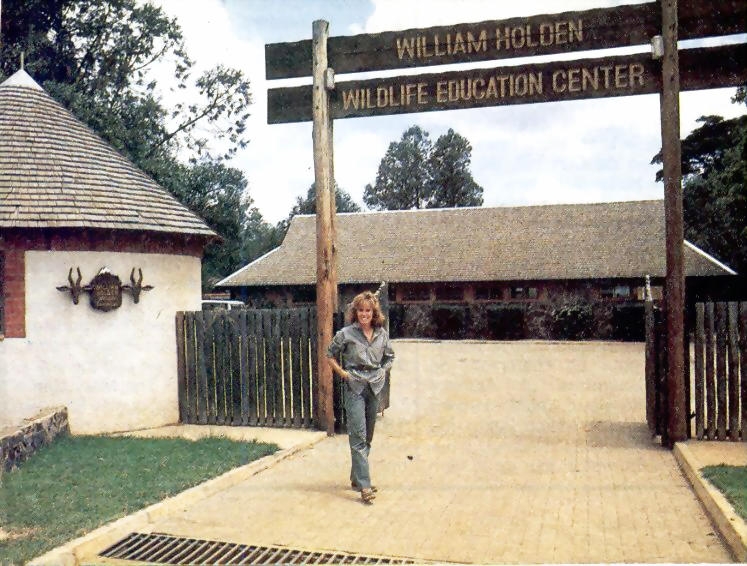
Since opening in 1983 our main education center has served nearly 11,000 students annually. We offer education programs, lectures, field trips, camping, practical displays of sustainable farming, cooking, composting, and bio-energy. Courses are designed to serve local populations, both urban and rural. Our rural outreach program serves 7 locations in remote areas of central Kenya, serving an additional 6,000 students and their parents through renovated schools, fully equipped libraries, visits from our lecturers to support government curricula with our emphasis on biodiversity, conservation, environmental protection, and renewable farming techniques.
"Our greatest responsibility is as caretakers of our precious natural world"...
In the United States, overhead expenditures are covered by the generosity of a single donor, ensuring that the maximum of your tax-deductible donations go directly to our work.